
A Selection of our Solar Installations
On-Roof Solar


SOLAR POWER

HEAT PUMPS
CHARGERS & STORAGE
Integrated Solar
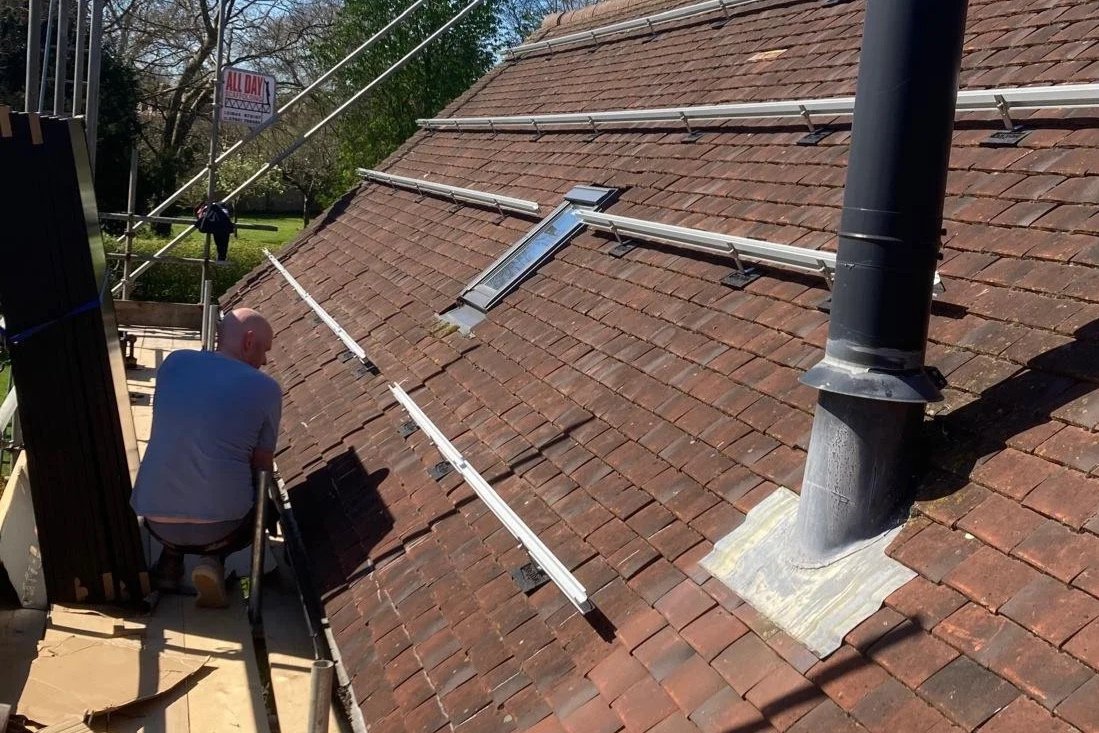
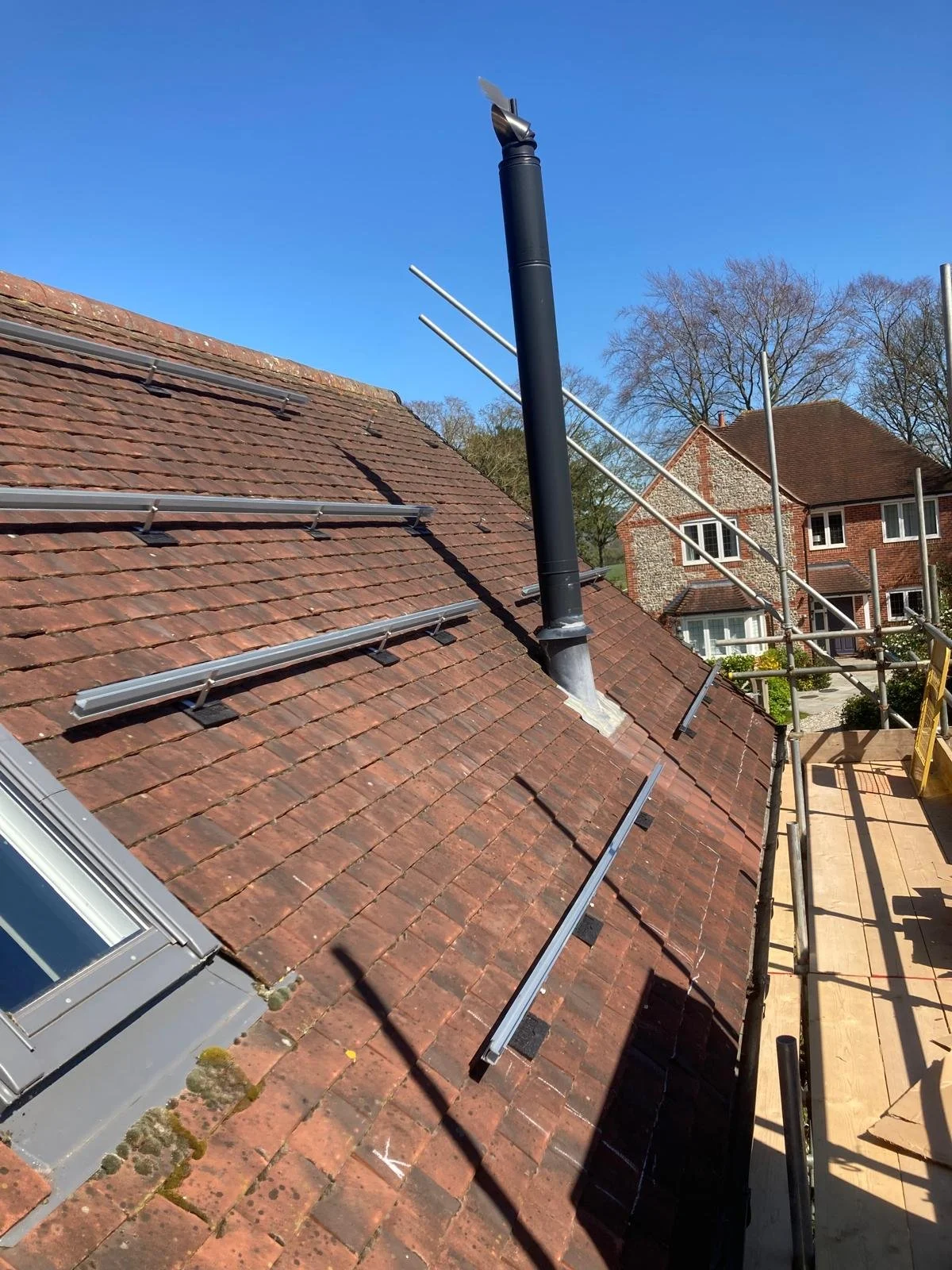
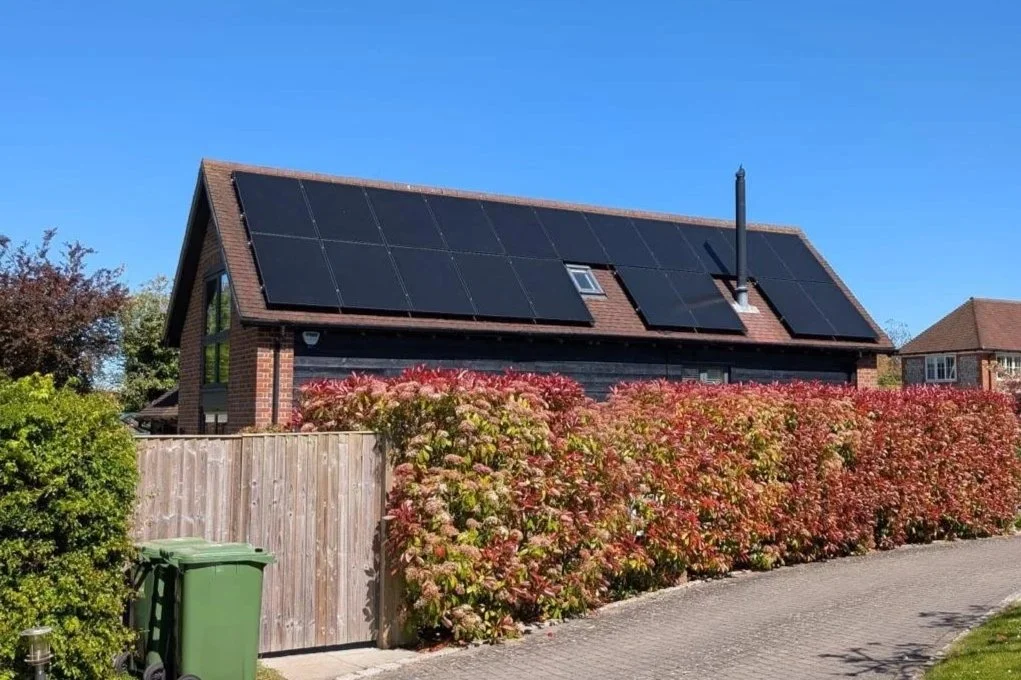
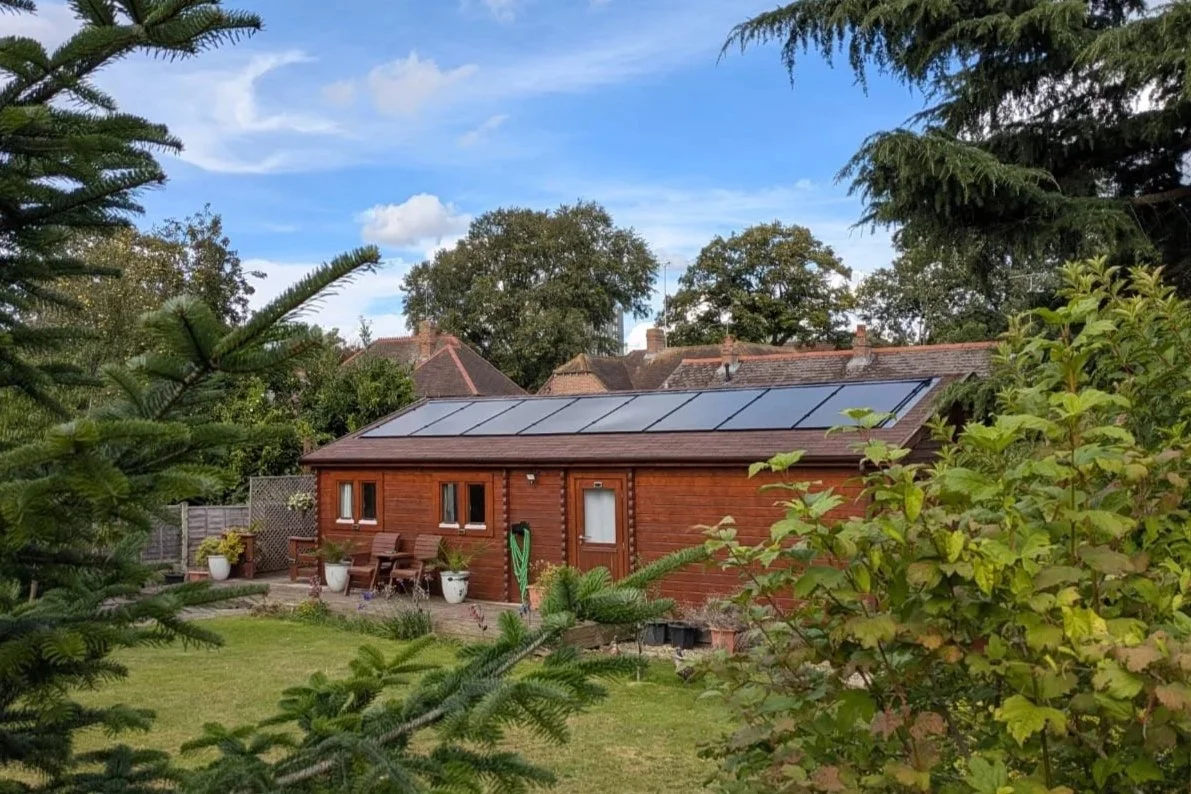
The most popular solar setups require south-facing roofs pitched at 30 to 40 degrees with zero shade between 10:00 AM and 4:00 PM for maximum efficiency. In England and Wales, these systems generally qualify as Permitted Development, bypassing planning permission. They sit on a standard on-roof rail system mounted just above your tiles. To safeguard your investment, always include perimeter pigeon protection mesh during setup to stop birds nesting underneath and damaging the cables.
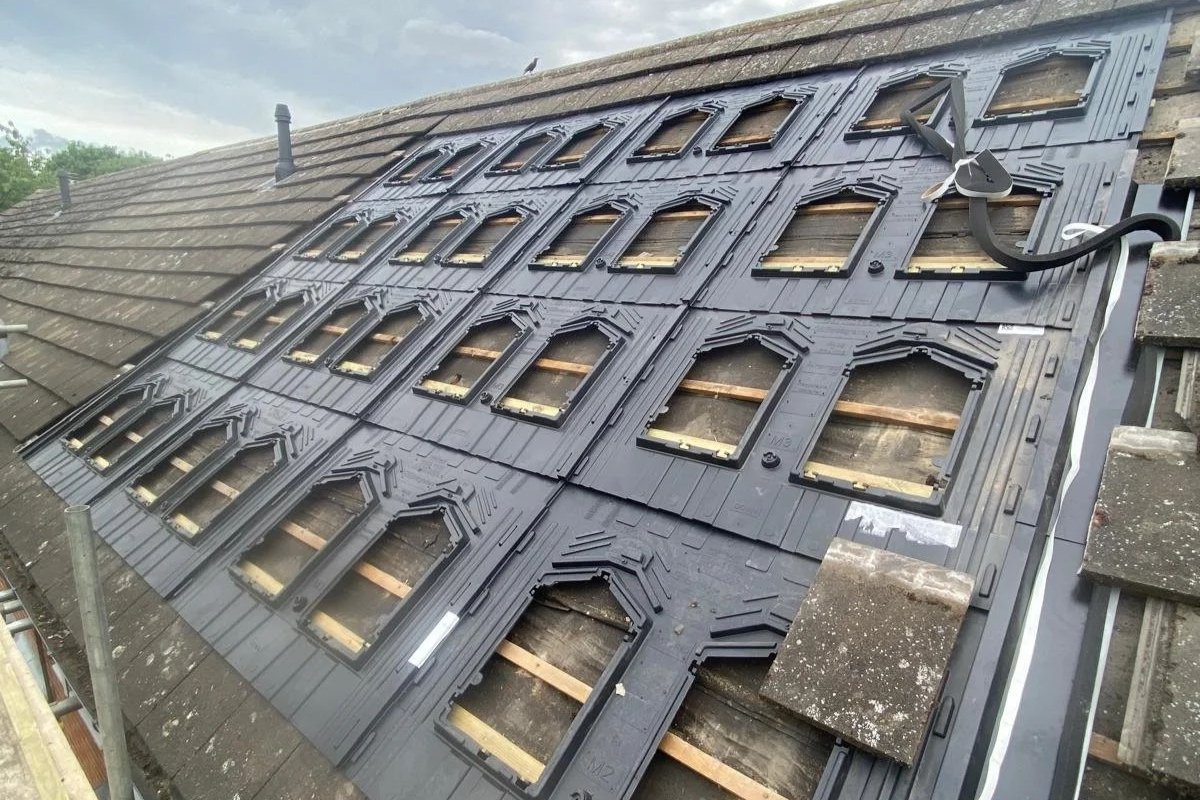
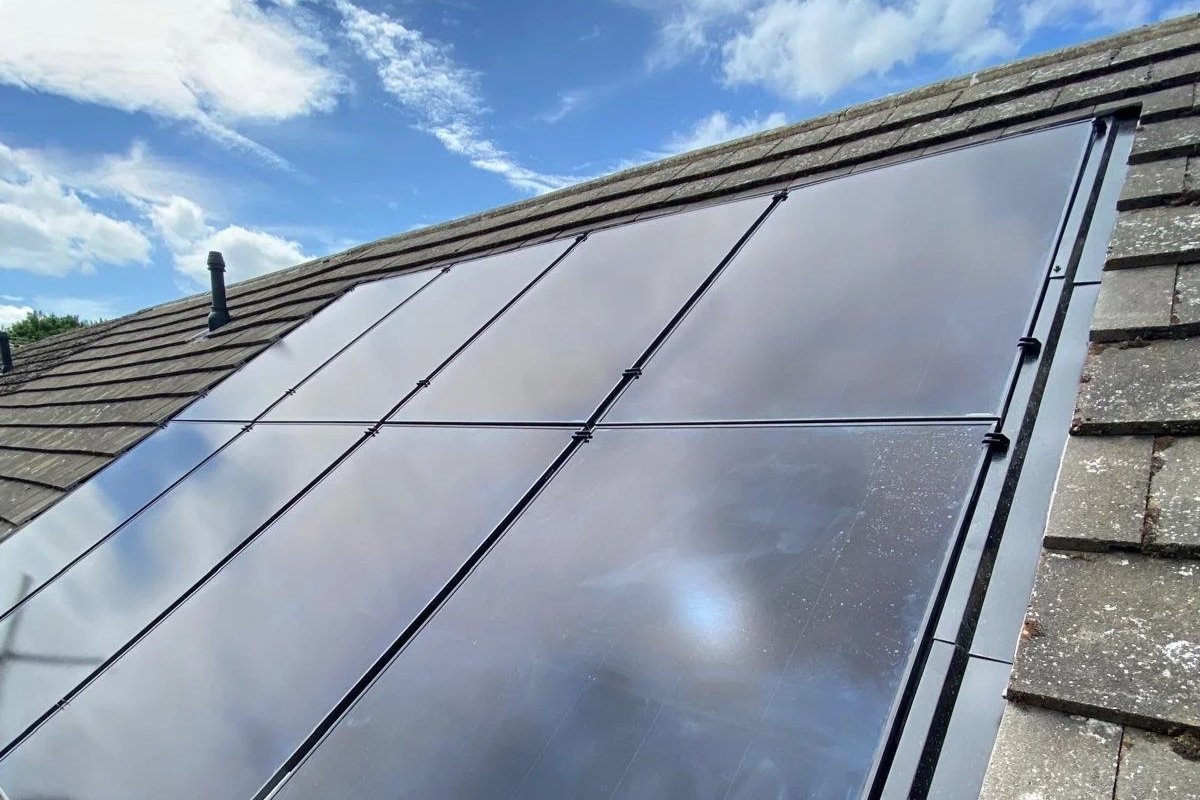
Solar roof tiles serve a dual purpose, acting as both a weatherproof roof covering and a source of renewable electricity. Designed to blend seamlessly into the roofline, they are an excellent choice for conservation areas, listed properties, or homes with strict planning requirements. While they offer a more discreet appearance than traditional solar panels, they are typically 10–20% less efficient due to reduced airflow beneath the tiles and generally cost more to purchase and install.
Free Standing, Ground Mounted
PV arrays installed on metal frames anchored into the ground rather than on a roof. They offer flexible placement, optimal tilt angles, and easier cleaning access, though they typically cost more due to trenching and longer cable runs. For a space under 30 square metres that is not visible from the road, planning permission is generally not needed.
Flat Roof Solar Systems
Residential flat roof solar systems make use of otherwise redundance flat roof space on extensions, garages, or modern flat-top houses. This type of roof lack a natural slope and panels are insatead installed on specialized racking systems which are angled towards the sun. Usually it is necessary to obtain a professional structural load assessment due to the weight of the mounts whcih are weighted for high wind areas and to minimise the need to drill them down which eliminates the risk of leaks.